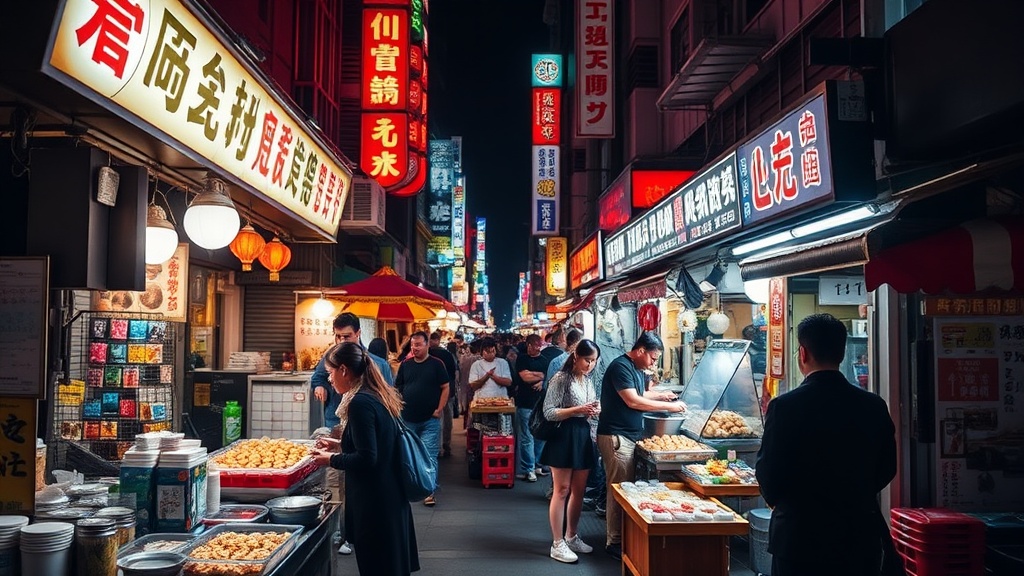
Street Food Night Markets in Taipei

This guide breaks down the essential night markets in Taipei, the specific foods you must try, and the logistics of eating your way through the city's most famous street food hubs. You'll find practical advice on budget, timing, and how to handle the crowds so you can focus on the food.
Taipei's food culture isn't just a side note to its high-tech industry; it's the primary driver of the city's identity. The night markets here act as massive, open-air dining halls that serve everything from high-end delicacies to cheap, heavy snacks. If you don't plan your route, you'll spend more time standing in lines than actually eating.
Which Night Markets Should You Visit in Taipei?
The best night markets depend on whether you want legendary classics, a younger vibe, or a more local, less touristy experience. While most travelers default to Shilin, it isn't always the best choice for everyone.
Shilin Night Market: The Heavyweight Champion
Shilin is the largest and most famous. It's a massive labyrinth of stalls that can feel overwhelming. You'll find the iconic large fried chicken cutlets and oyster omelets here. It's a bit of a tourist trap, but honestly? It's worth it for the sheer scale of options. If you want the "classic" Taipei experience, start here.
Raohe Street Night Market: The Foodie's Favorite
Raohe is more compact and arguably more focused on the food quality than the shopping. It's located right next to the beautiful Ciyou Temple. The entrance is dominated by the famous Black Pepper Buns (Hu Jiao Bing). It's much easier to navigate than Shilin—unless you're in a massive crowd.
Ningxia Night Market: The Local's Choice
If you want to avoid the heavy crowds of international tourists, head to Ningxia. It's smaller and more concentrated on traditional Taiwanese dishes. It doesn't have the massive souvenir stalls of the bigger markets, which keeps the focus entirely on the cooking. It's a great place to see how the local food scene actually functions.
Keelung Miaokou Night Market: The Seafood Specialist
Located a short train ride away from the main Taipei area, this market is a powerhouse for seafood lovers. It's a bit more rugged and less "polished" than the Taipei-proper markets, but the flavors are incredible. It's a perfect stop if you're heading toward the coast.
| Market Name | Primary Vibe | Best For... | Crowd Level |
|---|---|---|---|
| Shilin | Massive & Touristy | Variety & Shopping | Very High |
| Raohe | Traditional & Scenic | Black Pepper Buns | High |
| Ningxia | Compact & Local | Traditional Taiwanese | Moderate |
| Keelung Miaokou | Coastal & Seafood | Fresh Seafood | Moderate |
What Are the Must-Eat Street Foods in Taipei?
You should look for specific signature dishes like Stinky Tofu, Braised Pork Rice, and Oyster Omelets to get a true sense of the local palate. Some of these flavors are polarizing (especially the stinky tofu), but they define the region.
Stinky Tofu (Chou Doufu)
Don't let the name scare you. The smell is pungent, but the taste is savory and comforting. It's often served with pickled cabbage to balance the richness. It's a rite of passage for any serious food traveler. You'll either love it or hate it—there is no middle ground.
Braised Pork Rice (Lu Rou Fan)
This is the ultimate comfort food. It's minced pork braised in soy sauce and spices, served over hot rice. It's cheap, filling, and incredibly satisfying. Many stalls have been serving the exact same recipe for decades. It's the kind of meal that makes you want to move to Taiwan.
Oyster Omelet (O-a-chien)
A staple of Taiwanese night markets, this is a chewy, savory omelet made with small oysters and starch to give it a distinct texture. It's usually topped with a sweet and savory sauce. It's a texture experiment for the uninitiated, but the flavor is undeniably good.
Bubble Tea (Boba)
You can't visit Taiwan without drinking the original. While you can find it anywhere, the quality in the night markets is often superior. Look for shops that use real tea leaves and high-quality milk. It's the perfect companion for walking through a crowded market.
For those interested in the history of these culinary traditions, the Wikipedia page on Taiwanese cuisine offers a deep dive into the regional influences that shaped these flavors.
How Much Money Should You Budget for Night Markets?
Expect to spend between $10 and $25 USD per person for a full, multi-course "meal" of various street snacks. Most individual items are quite cheap, making it very easy to lose track of your spending.
Most snacks are priced competitively to keep locals coming back. Here is a rough breakdown of what you'll encounter:
- Small Snacks (e.g., Grilled Sausages, Taro Balls): $2 - $4 USD
- Main Dishes (e.g., Braised Pork Rice, Noodles): $3 - $6 USD
- Premium Items (e.g., Large Seafood Dishes, High-end Fried Chicken): $6 - $10 USD
- Drinks (e.g., Bubble Tea, Fruit Juices): $2 - $4 USD
It's a good idea to carry small denominations of New Taiwan Dollars (TWD). While some larger stalls might take credit cards or mobile payments, the vast majority of the best, smallest stalls are cash-only. Relying on a card at a small stall is a recipe for disappointment. Also, keep some napkins or wet wipes in your pocket—things get messy.
If you're traveling frequently, you might find that managing your budget is easier if you have a set routine. I've found that having a consistent way to track expenses helps when you're eating on the go. It's a habit I picked up after learning how to make a new city feel like home during my travels.
Pro Tip: Don't try to eat a full meal at one stall. The best way to experience a night market is to buy small portions from many different vendors and share them with your group. This allows you to sample a wider variety of flavors without feeling completely stuffed after one dish.
One thing to keep in mind is the "one-hand rule." In a crowded market, you'll often be eating while standing or walking. If you're someone who prefers a seated dining experience, you might find the chaos a bit much. But that's part of the charm. The energy of the crowd, the steam rising from the grills, and the constant movement—it's a sensory overload in the best way possible.
If you're planning a longer trip through Asia, you might want to consider how to pack for different climates. My guide on packing light for multi-city trips is more geared toward Europe, but the principle of being prepared for various environments is universal.
The Taiwan Tourism Administration provides excellent resources for checking local weather and festival schedules. This is helpful because some night markets may have specific hours or even temporary closures during certain holidays or local festivals.
Finally, watch your step. The floors in these markets can be slick with grease or water. It's not uncommon to see people navigating the narrow alleys with a certain level of caution. Wear comfortable shoes—you'll be doing a lot of standing and walking.