The One Travel Habit That Instantly Makes Any City Feel Like Home

Quick Tip
Pick one simple local ritual and repeat it daily to instantly feel more connected to any city.
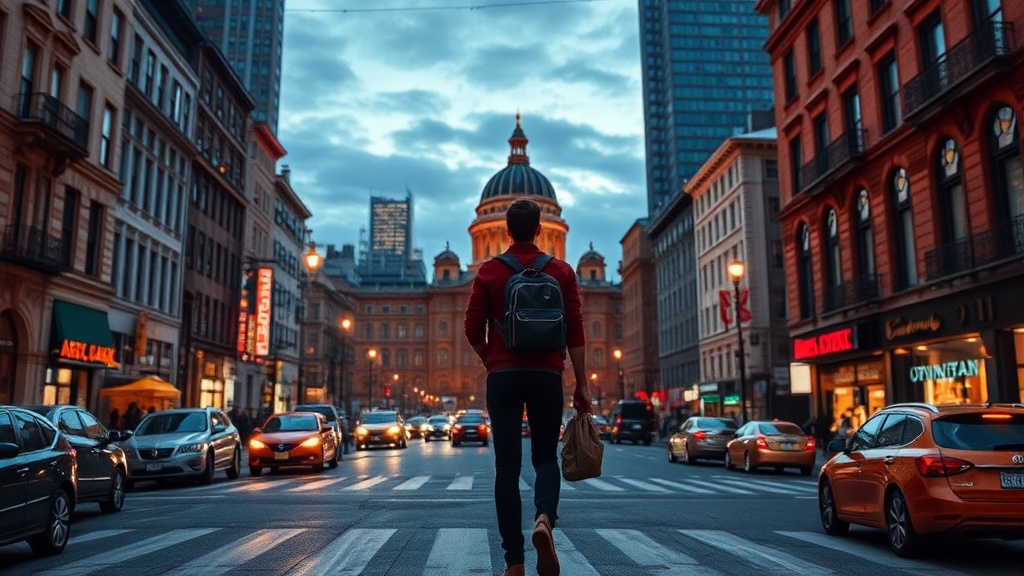
There’s a moment in every trip when a place stops feeling like a destination and starts feeling like somewhere you belong. It’s subtle. It doesn’t come from checking landmarks off a list or squeezing into a packed itinerary. It comes from one small shift in how you move through a city.
The tip: Pick one local ritual—and repeat it daily.
Why Ritual Beats Exploration (At First)
Most travelers approach a city like a scavenger hunt. Museums, viewpoints, restaurants, attractions—everything becomes a checklist. The problem? You stay in observer mode. You’re watching the city instead of participating in it.
A ritual flips that dynamic. It creates familiarity in a place that initially feels chaotic and foreign. That familiarity becomes your anchor, and suddenly everything else becomes easier to absorb.
Think about how you experience your own city. It’s not defined by the “top 10 things to do.” It’s shaped by routines: your coffee spot, your walking route, your favorite bench, the way you navigate your mornings.
When you introduce even a single ritual while traveling, you start to mirror that local rhythm.

What Counts as a Ritual?
This isn’t about building a rigid schedule. A travel ritual should be simple, repeatable, and low-effort. The key is consistency, not complexity.
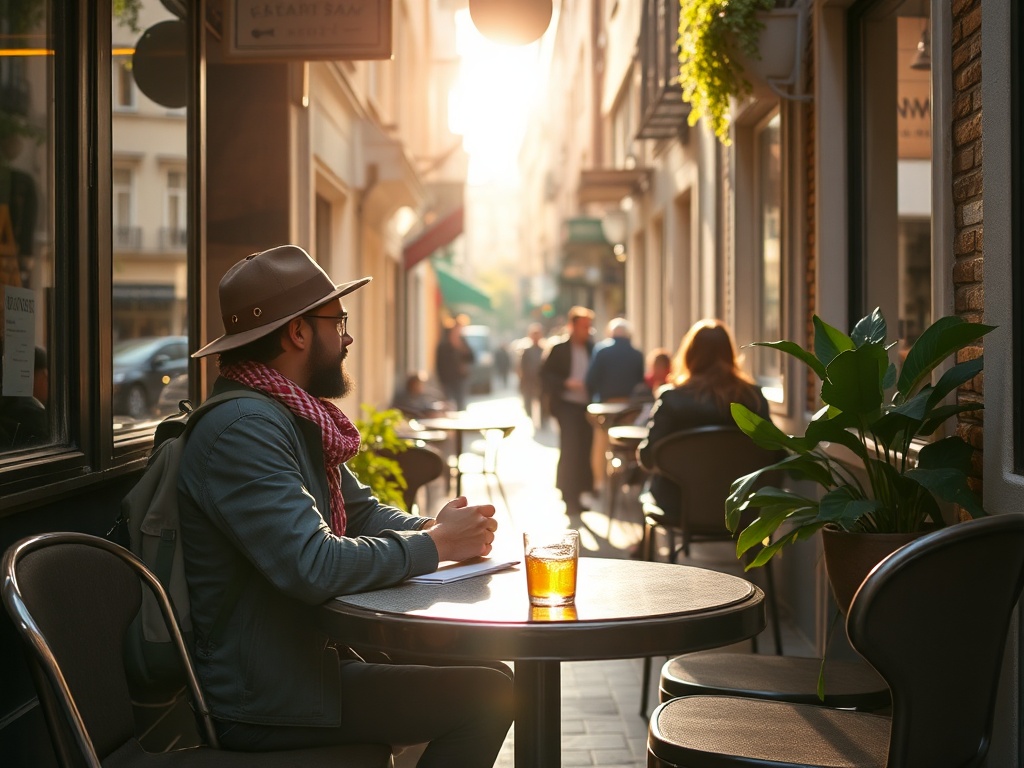
- The same café every morning — order the same drink, sit in the same corner if you can
- A daily walk route — even 15 minutes through the same neighborhood
- An evening reset spot — a park bench, a riverside path, a quiet plaza
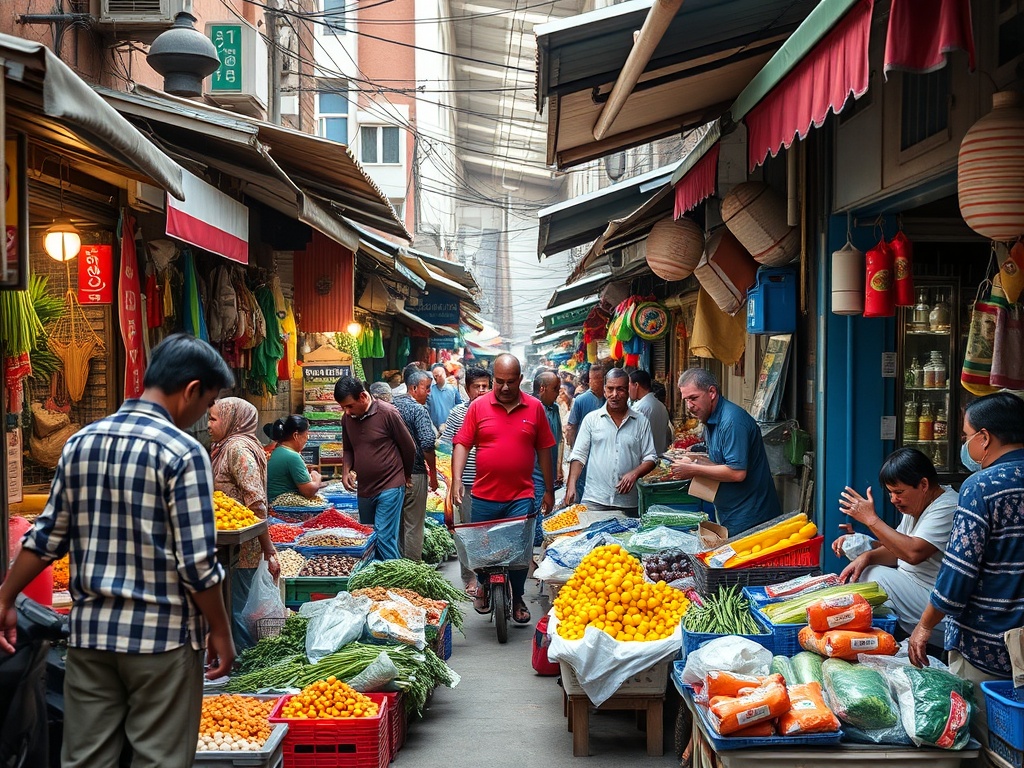
- A recurring food stop — a bakery, street vendor, or market stall
- A transit habit — taking the same bus or metro line at a similar time
The best rituals are slightly boring on paper. That’s exactly why they work.

The Psychology Behind It
Humans rely on repetition to create meaning. When you revisit the same place, your brain starts layering details: the way the light hits at different times, the regular customers, the subtle shifts in energy.
On day one, you notice the surface. By day three, you notice patterns. By day five, you start predicting them.
This shift—from noticing to anticipating—is what creates the feeling of belonging.
It also reduces decision fatigue. Travel can be exhausting because every choice is new: where to eat, where to go, how to get there. A ritual removes a chunk of that mental load, freeing you to be more present the rest of the day.

How to Choose the Right Ritual
Not all rituals hit the same. The right one depends on your travel style and the city itself.
Ask yourself:
- Do I want energy or calm?
- Do I prefer people-watching or solitude?
- Am I more active in the morning or evening?
If you’re in a dense, fast-moving city, a calm ritual (like a quiet café or park) creates balance. In a slower destination, a social ritual (like a busy market or bar) adds energy.
Also, proximity matters. Your ritual should be easy to repeat. If it takes effort, you won’t stick with it long enough for it to work.
What Changes After Day Two
The first time you show up, you’re just another traveler. By the second or third visit, something shifts.
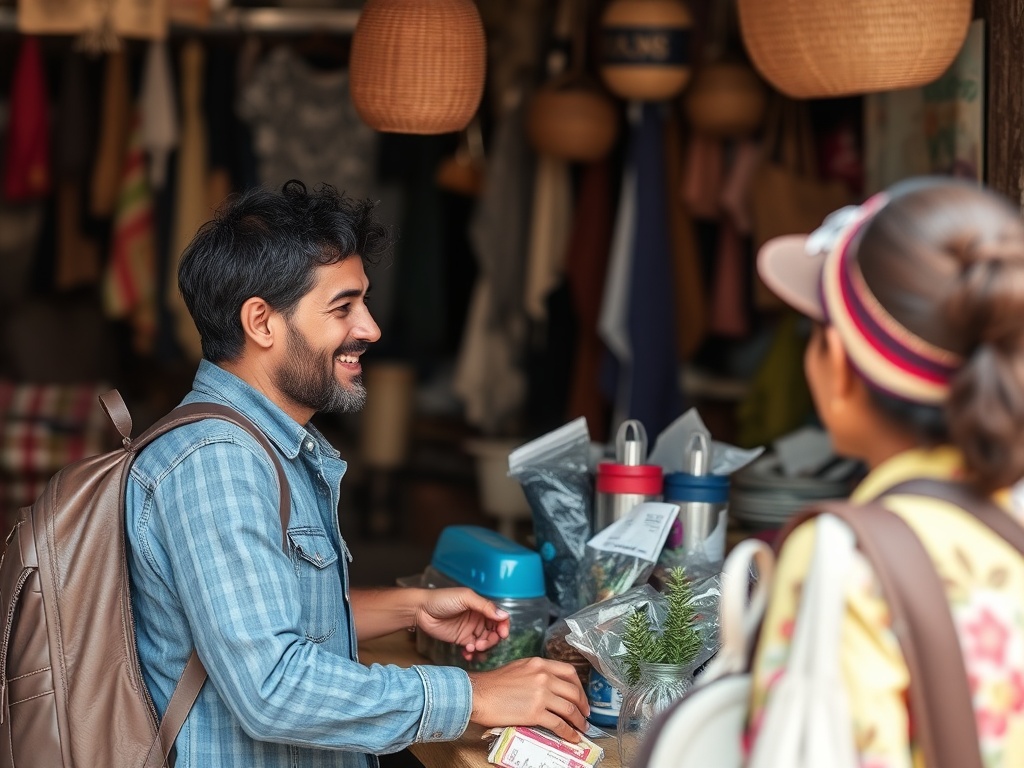
The barista recognizes you. The vendor gives a nod. You start noticing who else is “regular.” You’re no longer just passing through—you’re part of a pattern.
This is where cities open up.
Locals are more likely to engage. Conversations happen naturally. Recommendations become more personal and less touristy. You get access to a version of the city that isn’t packaged.
And it’s not about becoming a “local” overnight. It’s about reducing the distance between you and the place.
The Compound Effect on Your Trip
One ritual doesn’t just improve a single part of your day—it changes how the entire trip feels.
You start navigating with more confidence. Streets feel less random. You build a mental map faster. Even unfamiliar areas feel more approachable because you have a reference point.
It also slows you down in the best way. Instead of rushing to maximize experiences, you begin to deepen them.
And ironically, that depth makes your trip feel richer than any packed itinerary ever could.

Common Mistakes to Avoid
- Overcomplicating it — if your ritual requires planning, it won’t stick
- Switching too often — consistency is the entire point
- Choosing tourist-heavy spots — you want somewhere locals actually return to
- Forcing interaction — let recognition build naturally
This isn’t about performance. It’s about presence.
Why This Works in Any City
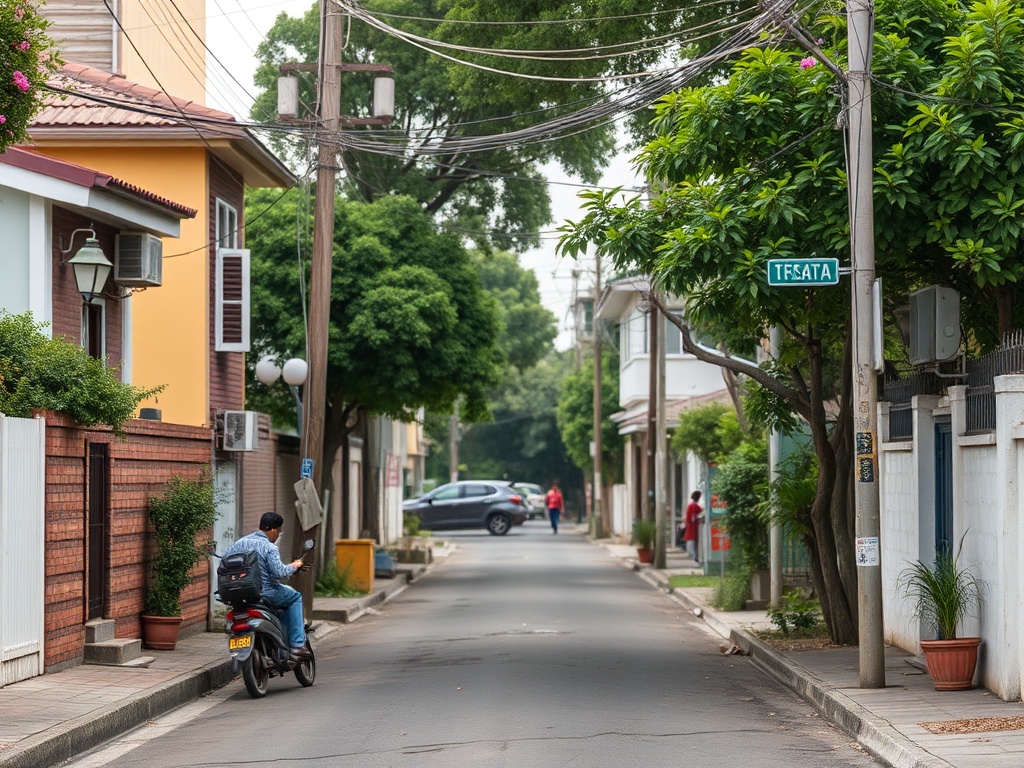
It doesn’t matter if you’re in Tokyo, Lisbon, Mexico City, or a small town you’ve never heard of. Cities are systems of repetition. Locals move in patterns, not highlights.
When you plug into even one of those patterns, you stop orbiting the city and start moving with it.
That’s the difference between visiting and experiencing.
How to Start Tomorrow
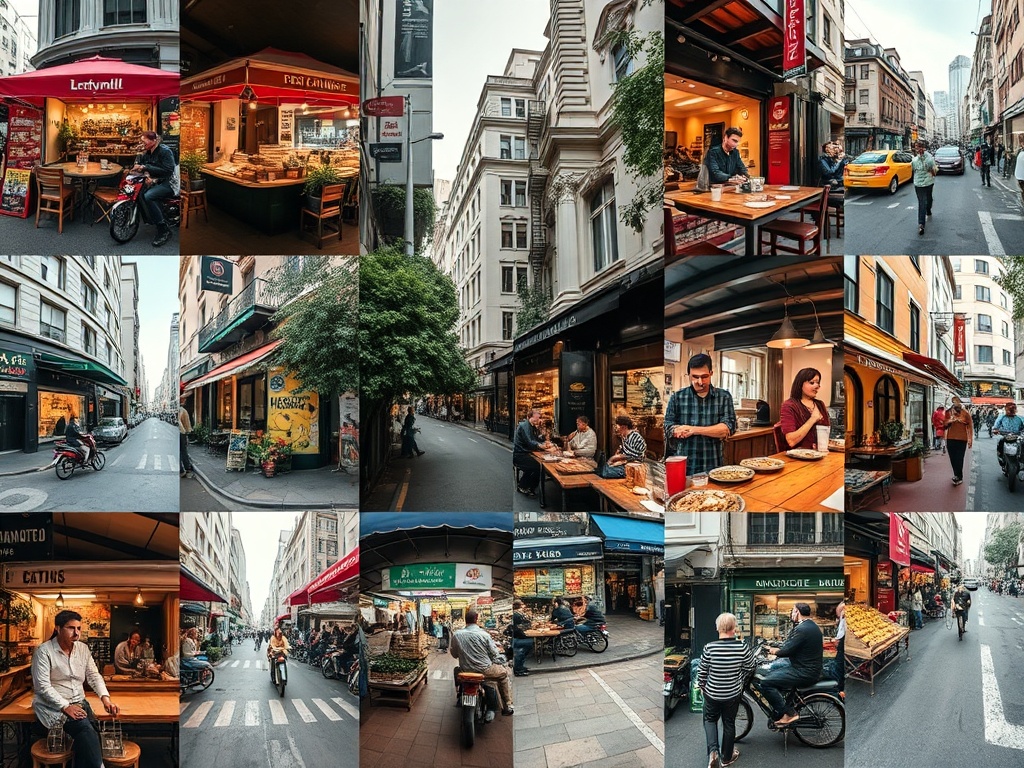
On your next trip, don’t begin with a list of attractions. Start with a single question: What’s one thing I can repeat every day here?
Find it on day one. Keep it simple. Show up again on day two. And again on day three.
By the time you leave, you won’t just remember what you saw—you’ll remember how it felt to belong, even briefly.
That’s the difference most travelers miss.