7 Tiny Neighborhood Museums You Can Visit in a Single Afternoon

The Artisan's Workshop Museum
The Neighborhood Toy Collection
Local Folklore & Legend Center
The Old Post Office Archive
Vintage Cinema Museum
The Botanical Heritage House
Street Art History Gallery
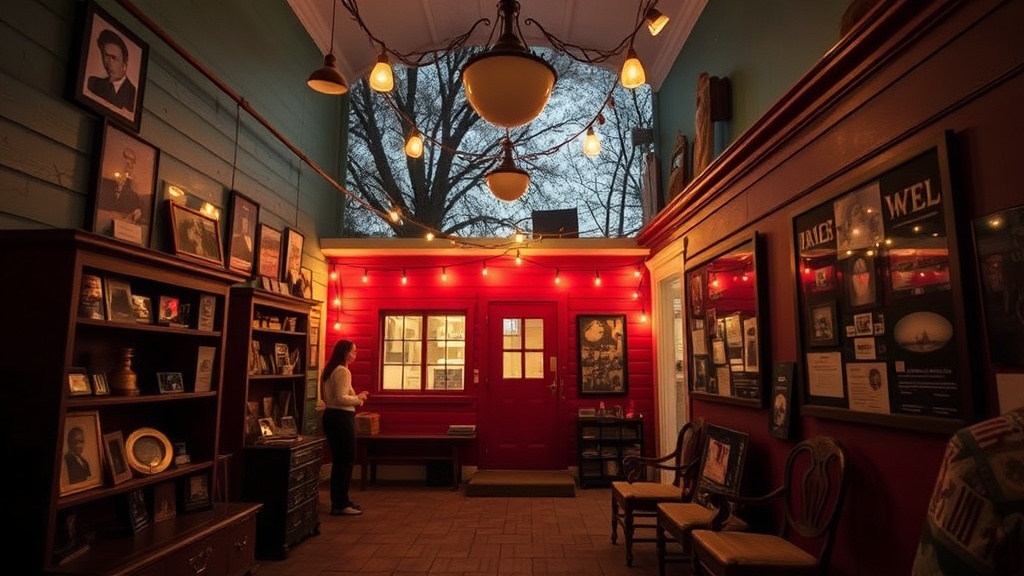
A single, weathered wooden chest sits in a room no larger than a walk-in closet, housing the handwritten letters of a 19th-century sea captain. The air smells of old paper and salt spray. These are the tiny neighborhood museums—the ones the big guidebooks usually skip. This list explores seven small-scale, specialized museums that you can easily visit in a single afternoon, perfect for travelers who prefer intimate history over massive, crowded galleries.
Why Visit Small Neighborhood Museums?
Small museums offer a concentrated dose of local-specific history that larger institutions often overlook. While the British Museum or the Smithsonian gives you the broad strokes of human history, these niche spots give you the heartbeat of a specific street or a single, odd obsession. You aren't just a face in a crowd here; you're a guest in someone's curated memory.
There's a certain magic in seeing a collection that feels deeply personal. It's the difference between reading a textbook and hearing a story from a neighbor. Plus, you won't spend three hours just trying to find the entrance or navigating a massive floor plan. You walk in, see the treasure, and you're out—often with a much better sense of the local culture than a tourist in a major gallery could ever claim.
1. The Viktorians (London, UK)
The Viktorians is a specialized collection that focuses on the peculiar and often eccentric lifestyle of the Victorian era. It isn't a grand palace; it's a tight, fascinating look at the objects that defined a century. You'll see everything from medical oddities to the heavy, ornate furniture that characterized the time. It's a bit spooky, a bit beautiful, and entirely unique.
2. The Museum of Innocence (Istanbul, Turkey)
Located in the Çukurcuma neighborhood, this museum was actually conceived by the novelist Orhan Pamuk. It’s a collection of everyday objects—a cigarette butt, a hair clip, a letter—that tell a story of lost love. It's a strange, beautiful concept where the "artifacts" are the mundane items of a human life. It’s a heavy experience, but one that stays with you long after you leave the building.
If you're heading to Istanbul, you might also enjoy finding hidden coffee gems in other major cities to keep that sense of discovery alive. This museum is the ultimate way to slow down and actually look at the world.
How Much Does a Tiny Museum Ticket Cost?
Most small neighborhood museums charge between $5 and $15 USD, though many operate on a donation-based model.
Because these aren't massive operations, they don't have the massive marketing budgets of the big-name institutions. You'll often find that a small cash donation is more than enough to keep the lights on. Always check the official website before you go, as some might have limited hours or even require a pre-booked time slot. It's worth noting that many of these spots are cash-only or use small, local payment systems.
| Museum Name | Estimated Cost | Time Needed | Vibe |
|---|---|---|---|
| The Viktorians | $12 | 45 Mins | Eccentric/Moody |
| Museum of Innocence | $10 | 1 Hour | Melancholic/Poetic |
| The Pencil Museum | $7 | 30 Mins | Quirky/Niche |
| Maison de l'Ambre | Variable | 1 Hour | Historical/Sensory |
3. The Pencil Museum (London, UK)
Located in Cockermouth, this is the kind of place that makes you realize how much we take for granted. It tracks the history of the humble pencil, from ancient graphite sticks to modern-day precision tools. It’s short, sweet, and genuinely interesting even if you aren't a stationery nerd. It's a great stop if you're already exploring the North of England.
4. The Museum of Broken Relationships (Zagreb, Croatia)
This is a traveling exhibition that has a permanent home in Zagreb. It features items donated by people from all over the world—a broken toaster, a single earring, a photograph. Each item comes with a story of a relationship that ended. It's incredibly moving and a bit heartbreaking. It’s a testament to the fact that everyone has a story worth telling, no matter how small the object.
For more on how to find these types of unique spots, check out my guide on navigating local markets. The same logic applies here: look for the small, the unbranded, and the slightly weird.
5. The Edo-Tokyo Museum (Tokyo, Japan)
While it's slightly larger than a "closet-sized" museum, it focuses intensely on the life of a Tokyoite during the Edo period. You'll see life-sized reconstructions of old homes and shops. It's a brilliant way to see how the city evolved from a small fishing village into the neon-lit metropolis it is today. It’s highly visual and very easy to digest.
6. The International Spy Museum (Washington D.C., USA)
While this is a bit more "established" than a neighborhood gem, it's a great example of a highly specialized, single-topic institution. It's incredibly immersive. You aren't just looking at glass cases; you're interacting with the history of espionage. If you have a limited window of time in D.C., this is a high-impact way to spend an afternoon. It’s much more engaging than a standard history lecture.
The Smithsonian Institution offers much broader historical context, but this is a deep dive into a very specific world.
7. The Museum of Bread Culture (Germany)
Located in Ulm, this museum explores the history of grain and bread. It sounds niche—maybe even a bit too niche—but it's actually quite fascinating. Bread is the foundation of human civilization, and seeing how it has been baked, stored, and celebrated across cultures is a beautiful experience. It's a sensory museum; you'll learn about smells, textures, and the sheer importance of a simple loaf.
Can You Visit These in One Afternoon?
Yes, you can easily visit one or two of these specialized museums in a single afternoon if they are located in the same city.
The key is proximity. Don't try to visit a museum in London and then one in Tokyo. Instead, pick a single city—like London or Istanbul—and find a cluster of these small-scale spots. Most of these are located in central, walkable neighborhoods. You can spend an hour in a quirky museum, grab a coffee at a nearby cafe, and then head to the next one. It's a low-stress way to see a city without the burnout of a massive itinerary.
I've found that these small stops often become the highlight of a trip. You might forget the name of the giant, world-famous museum you visited, but you won't forget the tiny room filled with 19th-century medical tools or the museum dedicated entirely to the history of the pencil. They have personality. They have a soul. And more importantly, they don't require a three-day pass to truly appreciate.
"The smallest things often hold the most weight. A museum doesn't need a million artifacts to tell a profound story; it just needs the right ones."
If you find yourself in a new city, skip the massive line for the "top-rated" attraction for a moment. Look for the small signs, the single-room galleries, and the weird, specialized collections. That's where the real culture lives.