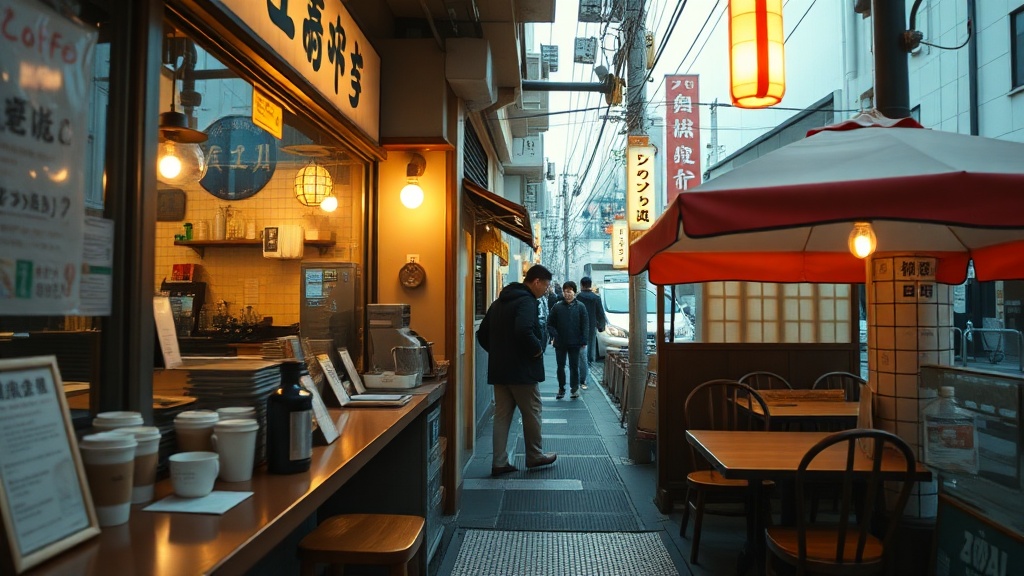
Finding Hidden Coffee Gems in Tokyo

You’re walking down a narrow alley in Shimokitazawa, following a scent of toasted beans rather than a neon sign. You find a door no wider than a standard human, and inside, a single barista is meticulously weighing coffee grounds for a pour-over. This post covers how to identify, locate, and appreciate Tokyo’s high-end specialty coffee scene, moving beyond the massive chains to find the small-batch roasters that define the city's modern caffeine culture. It matters because Tokyo’s coffee culture isn't just about caffeine; it's a specialized craft that requires knowing exactly where to look.
Where are the best coffee shops in Tokyo?
The best coffee shops in Tokyo are tucked away in residential neighborhoods like Shimokitazawa, Kiyosumi-shirakawa, and Nakameguro rather than major transit hubs. While you'll find plenty of Starbucks near Shibuya Crossing, the real magic happens in the side streets where small-scale roasters operate. If you want a truly local experience, look for areas with high concentrations of independent boutiques and vintage clothing stores.
Kiyosumi-shirakawa has become a major hub for "third wave" coffee enthusiasts. It's a bit quieter than the central districts, making it perfect for a slow morning. You'll see shops like Blue Bottle Coffee—which, while a global brand, maintains a very high standard in its Japanese locations—setting the stage for the local independent shops that followed.
Here is a breakdown of the three distinct "vibes" you'll encounter in Tokyo's coffee scene:
- The Traditional Kissaten: These are old-school Japanese coffee shops. Expect dark wood, heavy porcelain, and perhaps a bit of cigarette smoke (though that's changing). The coffee is often dark, heavy, and served with a side of thick toast.
- The Modern Minimalist: Think concrete walls, single-origin beans, and a very quiet atmosphere. These shops focus heavily on the chemistry of the brew.
- The Roaster-Café: These spots roast their own beans on-site. You can often smell the roasting process from the street. These are the best places to buy high-quality beans to take home.
One thing to keep in mind: many of these smaller shops have very limited seating. Don't expect to sit for three hours with a laptop in a 10-seat shop in Daikanyama. It's often better to grab a cup to go and walk through a nearby park.
How much does a cup of coffee cost in Tokyo?
If you are looking for a more substantial experience, a "coffee set" (coffee plus a small snack or toast) will usually run you between 1,000 and 1,500 JPY. If you're visiting a high-end cafe that uses rare beans—like a Geisha variety—be prepared to pay significantly more. It isn't uncommon to see prices climb to 1,500 JPY or more for a single pour-over of exceptional quality.
Price Comparison Table: Coffee Types in Tokyo
| Coffee Type | Average Price (JPY) | Best For... |
|---|---|---|
| Convenience Store Drip | 110 - 150 | Quick caffeine fix on the go |
| Standard Cafe Latte | 500 - 600 | A reliable, mid-range treat |
| Specialty Pour-Over | 700 - 1,200 | Tasting specific flavor notes |
| Rare Single-Origin | 1,500+ | The true connoisseur experience |
Worth noting is that many independent shops are cash-heavy. While the big names take every digital payment imaginable, some of the best hidden gems still prefer Japanese Yen. Always keep some small bills in your wallet.
What should I look for when choosing a coffee shop?
Look for shops that display the specific origin, roast level, and processing method of their beans. A shop that can tell you exactly which farm in Ethiopia their beans came from is a sign of a serious establishment. This level of transparency is a hallmark of the Third Wave Coffee movement.
Check the menu for "Single Origin" options. If a shop only offers a "House Blend," they might be more focused on volume than the nuances of light-roast coffee. Also, pay attention to the equipment. Seeing a Hario V60 or a Kalita Wave dripper on the counter tells you they care about precision brewing.
Here are three things to watch out for:
- The Roasting Profile: If you prefer bright, acidic coffee, look for "Light Roast." If you like something more traditional and bitter, look for "Dark Roast."
- The Milk Quality: In many high-end Tokyo cafes, the milk is treated with as much respect as the beans. The texture of a latte here is often incredibly silky.
- The Seasonality: Many shops change their bean offerings monthly based on what's fresh. This means your favorite shop might taste completely different on your next trip.
The catch? These shops often have very strict "no laptop" policies. I've seen many people get a polite but firm nod from a barista when they try to open a MacBook. These spaces are designed for the sensory experience of drinking coffee, not as coworking spaces. If you need to get work done, head to a larger chain or a dedicated coworking cafe.
I remember sitting in a tiny shop in Yanaka, watching the barista use a digital scale to measure water temperature down to the decimal point. It felt more like a science experiment than a coffee break. That level of dedication is what makes Tokyo's coffee scene so much more than just a way to wake up in the morning.
When you're hunting for these spots, don't be afraid to use Google Maps with Japanese keywords. Searching for "焙煎所" (Roastery) or "カフェ" (Cafe) will often yield much better results than searching in English. You'll find the places the tourists haven't discovered yet. It's a bit of a scavenger hunt, but the reward—a perfect, balanced cup of coffee in a quiet corner of the city—is absolutely worth the effort.
Steps
- 1
Look Beyond the Main Streets
- 2
Use Local Map Apps
- 3
Follow the Roasting Scents
- 4
Check Instagram Tags