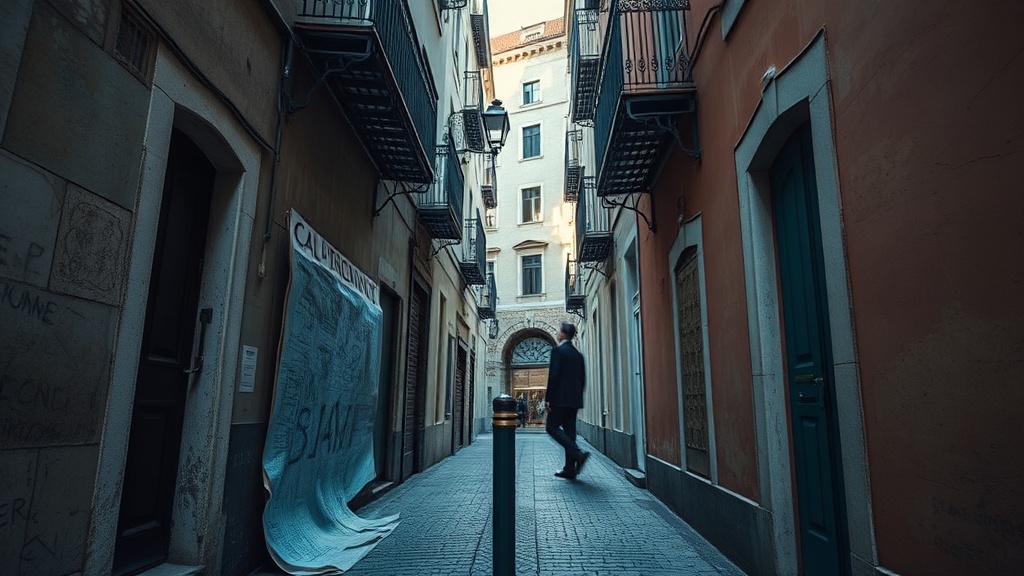
Chasing Blueprints in the Narrow Alleys of Lisbon

This post examines the architectural evolution of Lisbon, specifically focusing on the Pombaline style and the preservation of the Alfama and Bairro Alto districts. You'll find practical advice on exploring the city's steep topography, understanding the structural history of its narrow alleys, and identifying the distinct masonry techniques used throughout the city.
Lisbon is a city built on seven hills, but it's the layers beneath those hills that tell the real story. Most people come for the yellow trams and the view from the Miradouros, but if you look closer, you see a blueprint of survival. The city''s architecture isn't just a aesthetic choice; it's a response to the Great Lisbon Earthquake of 1755.
When the earth shook, it didn't just level buildings—it changed the DNA of the city. The resulting reconstruction, known as the Pombaline style, introduced one of the first earthquake-resistant urban designs in the world. It’s a way of seeing the city through a lens of engineering and resilience rather than just pretty tiles.
What is the Pombaline Architecture Style?
The Pombaline style is a functional, standardized architectural approach designed to withstand seismic activity and rebuild the city rapidly after the 1755 disaster. It relies on a "cage" system—a wooden framework embedded within masonry walls to provide flexibility during tremors. This method was a massive leap forward in urban planning for the 18th century.
You can see the difference between the old, organic growth of the Alfama district and the planned, rigid lines of the Baixa district. In the Baixa, the streets are wide and the buildings follow a strict grid. It's much easier on the feet, but it lacks the charm of the older, winding alleys. If you want to see how these historical structures are documented, the Wikipedia entry on Pombaline architecture offers a deep dive into the technical side of the wooden "cage" construction.
Walking through the Baixa district, you'll notice the uniformity. It's a sharp contrast to the chaotic, narrow streets of the Alfama. This isn't just about looks; it's about the transition from a medieval way of living to a modern, regulated urban environment. The buildings here feel sturdy, almost heavy, despite their elegant facades.
I often carry a small notebook to sketch these details. There's something about the way the light hits the azulejos (the iconic ceramic tiles) that makes you want to document the geometry. It's not just a photo op; it's a study in pattern and texture.
The Materiality of Lisbon
The materials used in Lisbon define its visual identity. You have the limestone (calcada) on the ground, the ceramic tiles on the walls, and the heavy wood in the windows. It's a tactile experience. If you're wearing heavy hiking boots, you'll appreciate the grip needed on the polished stone streets.
The tiles aren't just decorative. They serve a functional purpose by protecting the walls from the salty Atlantic air. This is a practical solution to a harsh environment, not just a way to make a building look pretty. It's the kind of detail that makes you realize how much thought goes into a city's survival.
When I was researching the best way to walk these hills, I realized that footwear is your most important piece of gear. Don't show up in thin-soled sneakers. You need something with actual grip and support. I've found that a sturdy pair of Patagonia outdoor gear or even just heavy-duty walking shoes makes the difference between a great day and a sore afternoon.
How Much Does a Walking Tour Cost in Lisbon?
Walking tours in Lisbon typically cost between €15 and €35 per person, depending on whether they are private or group-led. Most free walking tours operate on a tip-based model, where you pay the guide at the end of the session.
| Tour Type | Estimated Cost | Best For |
|---|---|---|
| Free Walking Tour | €10 - €20 (Tip) | Budget travelers and social explorers |
| Private Architectural Tour | €50 - €120 | History buffs and photography enthusiasts |
| Self-Guided App Tour | €5 - €15 | Solo travelers who want flexibility |
If you're looking for a deeper connection to the city, I highly recommend a specialized architectural tour. Most people just walk through the streets, but a guide who understands the structural history of the Pombaline era will show you things you'd otherwise miss. They'll point out the specific way the stone meets the wood. It's worth the extra few Euros.
For those on a tighter budget, the public transport system is a lifesaver. The historic yellow trams are iconic, but they can be incredibly crowded. If you're trying to get a clear view of the architecture, sometimes it's better to walk the side streets instead of riding the main lines. It's slower, but you'll see more. It reminds me of how I learned navigating local markets without a map—sometimes the best way to see a place is to lose your sense of direction for a while.
Which Neighborhoods Best Show the City's History?
Alfama and Bairro Alto are the best neighborhoods to witness the layers of Lisbon's history, as they represent different eras of urban development. Alfama preserves the medieval, labyrinthine structure, while Bairro Alto and Baixa show the post-earthquake, organized reconstruction.
- Alfama: The oldest district. It's a maze of narrow alleys and steep stairs. It survived the 1755 earthquake largely because its layout was so dense and irregular.
- Baixa: The "downtown" area. This is the heart of the Pombaline reconstruction. It's organized, flat (relatively), and displays the strength of the new urban planning.
- Bairro Alto: A mix of old residential charm and nightlife. The architecture here shows the transition into more modern, social-centric layouts.
- Chiado: This area represents the more elegant, 19th-century side of Lisbon, with its grand cafes and neoclassical influences.
Walking through Alfama is a workout. The streets are so narrow that you can often touch both walls if you stretch your arms out. It’s an intimate, almost claustrophobic experience, but it's also incredibly beautiful. The way the laundry hangs from the balconies adds a human element to the stone and tile.
On the other hand, walking through the Baixa feels like walking through a blueprint. Everything is intentional. The scale of the buildings is designed to feel grand but stable. It's a different kind of energy—more orderly, more predictable. I like to spend one morning in each to see how the mood shifts.
It’s easy to get lost in these neighborhoods. In fact, getting lost is the point. If you're constantly looking at Google Maps, you're missing the subtle shifts in masonry and the way the light changes the color of the stone. It's a skill to develop.
The sheer verticality of the city is something you can't quite prepare for. Even with the best footwear, your calves will feel it by the end of the day. But the payoff is the view from the top of a hill, looking down over a sea of terracotta roofs. It's a perspective you can't get anywhere else.
One thing to keep in mind: many of these streets are extremely steep. If you're traveling with heavy luggage, I suggest looking for accommodation near a metro station or a flatter area. Dragging a suitcase up a 30-degree incline in Alfama is a recipe for a bad time. I've seen people struggle with this, and it's a common mistake for first-time visitors.
The city is a living museum. Every corner tells a story of a disaster, a reconstruction, or a cultural shift. Whether you're looking at the intricate tiles or the heavy wooden beams, you're looking at the resilience of a people who refused to let a single earthquake define them. It's a beautiful, stubborn way to build a city.