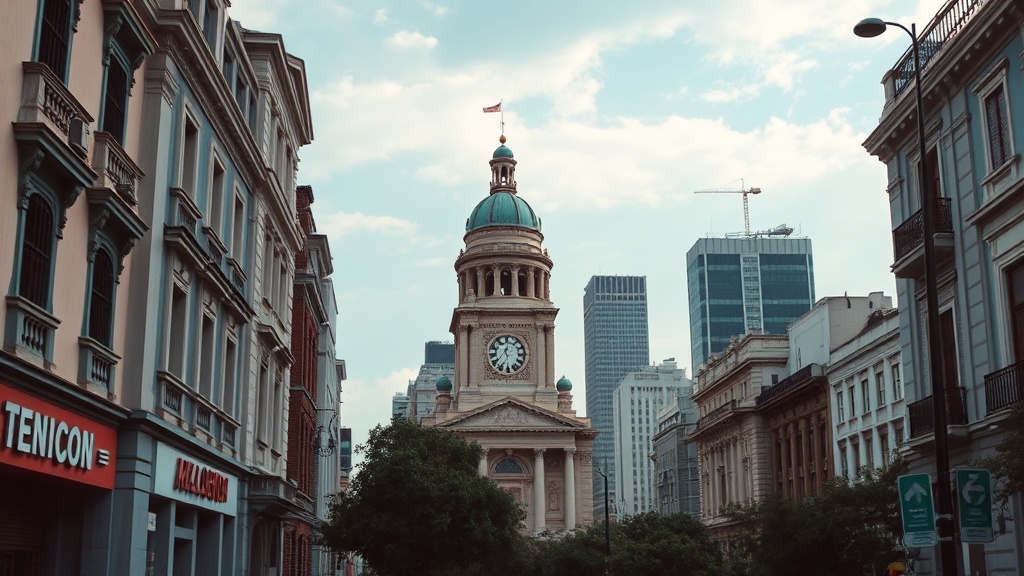
Why You Should Visit Mexico City for Its Neighborhoods, Not Just Its Museums

The Mistake of the Museum-First Itinerary
Most travelers treat Mexico City like a checklist of giant, imposing structures. They spend their mornings in the halls of the National Museum of Anthropology and their afternoons at the Frida Kahlo Museum, only to head back to a hotel in a sanitized tourist bubble. This approach misses the point. If you only visit the landmarks, you're seeing the city's history through a glass window. To actually understand Mexico City, you have to spend time in its neighborhoods—the barrios where life actually happens, where the smells of fried masa and diesel fumes tell a better story than any plaque ever could.
The real magic of this metropolis isn't found in a curated exhibit. It's found in the way the light hits a crumbling colonial wall in Coyoacán, or the specific way a street vendor organizes their fruit in a bustling market. This guide focuses on how to move through the city's distinct zones to find a sense of place that transcends the typical sightseeing loop. We aren't talking about the big-ticket sights; we're talking about the texture of the streets.
Is Roma Norte Just for Digital Nomads?
There's a common complaint that neighborhoods like Roma Norte and Condesa have become too "polished" for the real Mexico. While it's true that these areas are filled with high-end coffee shops and boutique hotels, they still serve as a vital gateway to the city's changing identity. You'll see a mix of old-school residents living alongside a new, international crowd. It's a place where you can find a world-class espresso right next to a traditional tamale stand.
If you want to experience this area without feeling like you're in a generic global city, look for the small, family-run bakeries tucked between the trendy cafes. The contrast is what makes it interesting. You might spend an hour reading a book in a lush park and the next hour watching a street performer in a plaza. It's a high-energy, high-design part of the city that still keeps its roots visible if you look closely enough.
Where Can You Find Real Street Food Culture?
If you want to eat like a local, you need to move away from the sit-down restaurants of Polanco and head toward the markets. The Official Mexico City Tourism site often highlights major culinary landmarks, but the best food is often found in the most unassuming places. A street corner with a single hot plate and a few plastic stools is usually a sign of a winner.
- The Mercado System: Markets like Mercado de Coyoacán or Mercado de San Juan aren't just for shopping; they are the city's living rooms.
- Taco Culture: Don't be afraid of the stand on the corner. If there's a line of locals, get in that line.
- The Flavor Profile: Expect a heavy reliance on fresh chilies, lime, and corn. It's bold, it's acidic, and it's unapologetic.
When you eat in these spaces, you're participating in a ritual that has existed for centuries. You aren't just a consumer; you're part of the local rhythm. Just remember to carry small denominations of pesos (cash is still king in these settings) and keep an eye on your surroundings in crowded areas.
How Do You handle the Different Zones?
The sheer scale of Mexico City can be overwhelming. It's not just a big city; it's a sprawling, interconnected web of distinct identities. To make sense of it, you should think of it in layers. The historic center (Centro Histórico) is the heavy, grand heart of the city. Coyoacán is the artistic, bohemian soul. Polanco is the modern, affluent-leaning edge. Understanding these distinctions helps you plan your days so you aren't spending all your time in transit.
One of the best ways to move between these zones is by using the Metro or the Metrobus. The subway system is incredibly efficient and can get you across the city faster than any rideshare app could. However, it's also a sensory experience of its own—loud, crowded, and deeply human. If you have the time, take the bus through the major avenues to see how the architecture changes as you move from the colonial era into the modern skyline. For real-time transit updates and maps, checking Google Maps is a reliable way to gauge travel times and see which routes are currently active.
| Neighborhood | Vibe | Best For |
|---|---|---|
| Centro Histórico | Grand, chaotic, historic | History buffs and architecture lovers |
| Roma Norte | Chic, leafy, trendy | Coffee lovers and design enthusiasts |
| Coyoacán | Quiet, colorful, artistic | Slow afternoons and family walks |
| Condesa | Relaxed, green, cosmopolitan | People watching and long walks |
Don't try to see everything in one trip. You'll fail. Instead, pick one or two neighborhoods and actually live in them for a few days. Sit in the same cafe every morning. Walk the same block. You'll notice the way the street sweepers arrive at dawn, the way the light changes in the afternoon, and the way the city breathes. That is when you've actually visited Mexico City, rather than just passing through it.