How to Spend a Weekend in Copenhagen Without Falling into Tourist Traps

Why Your Copenhagen Itinerary Might Be Wrong
You land at Kastrup, take the train into the city, and find yourself standing in a queue for a overpriced cinnamon roll while a group of tourists stares blankly at a map. It happens—you follow the popular blogs, end up at the most famous landmarks, and realize you haven't actually seen the city. This post covers how to bypass the most crowded tourist loops to find the authentic side of Copenhagen, focusing on local-centric neighborhoods and the specific ways to move through the city like someone who actually lives here.
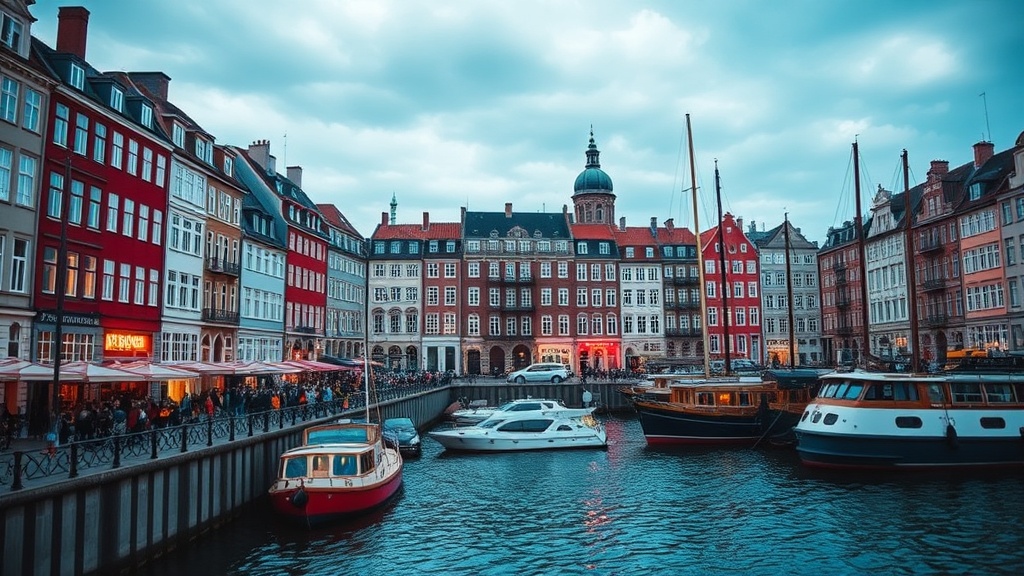
Copenhagen isn't just about the colorful houses of Nyhavn. If you spend your entire Saturday there, you'll spend more time looking at the backs of people's heads than at the architecture. To see the real Denmark, you need to look toward Vesterbro and Nørrebro. These areas offer a much sharper sense of what modern Danish life looks like—a mix of gritty history and high-end design. Whether you're looking for a quiet coffee shop or a place to bike through a park, the goal is to spend your time where the locals spend theirs.
Where to Find Real Food and Local Culture?
Most visitors flock to the high-end dining spots or the overpriced cafes near the central station. While the food in Denmark is incredible, you'll find much better value if you look toward the meatpacking district (Kødbyen). This area used to be purely industrial, but it has transformed into a hub for dining and nightlife. It's a place where the vibe is more about the food and less about the theatricality of the dining experience.
If you want a quick bite, look for a smørrebriskefilm or a local bakery that doesn't have a sign in English outside. The rule of thumb is simple: if there is a long line of people in heavy wool coats, you've found a winner. You can learn a lot about the local palate by observing the lunch-hour rush. For a more casual approach, the street food markets near Reffen are a great way to experience international flavors with a Danish twist. Just keep in mind that Reffen is seasonal—don't show up in January expecting a full menu.
Is It Better to Rent a Bike or Use the Metro?
The biggest mistake travelers make in Copenhagen is relying on taxis or even the bus too much. The city is built for two wheels. If you aren't cycling, you aren't truly experiencing the city. However, cycling in Copenhagen can feel intimidating if you aren't used to the pace. The cyclists here move with a specific, intense energy—it's not a leisurely stroll through a park.
- Rent a bike: Look for local shops that offer daily rates. Avoid the heavy-duty tourist bikes if you can; a lightweight city bike is easier to maneuver.
- The Metro: It's incredibly efficient and runs 24/7. It's your best friend when the weather turns or when you've had a few too many drinks.
- Walking: The city center is compact. Many of the best small boutiques and galleries are tucked away in streets that are too narrow for bikes or too small for buses.
When you're on a bike, remember the golden rule: stay to the right so faster commuters can pass you on the left. If you weave erratically, you'll quickly find the locals getting frustrated. To understand the flow of the city, check the official Visit Copenhagen guide for transit-specific tips, but don't rely on it for your actual itinerary. Use it for the basics, then get out of the center.
How Can I Experience the Danish Concept of Hygge?
People talk about hygge constantly, but it's often treated like a marketing buzzword. In reality, it's a feeling of cozy contentment. You can't buy hygge, but you can find the environments where it thrives. This means finding a corner in a dimly lit cafe, or a quiet park bench during a sunset. It's about the atmosphere, not the price tag of the coffee.
To find these spots, avoid the areas immediately surrounding the main tourist attractions. Instead, wander into the residential streets of Frederiksberg. You'll find much more intimate settings there. A good place to start is the Botanical Garden—it's a peaceful escape that feels worlds away from the noise of the shopping districts. If you want to see how people actually relax, sit in a public park and just watch the world go by. It's the most effective way to decompress after a day of sightseeing.
For a deep dive into the history of the city's architecture and how it shapes the culture, the Architectural Heritage archives (though often focused on different regions, they provide great context for European urbanism) can give you a better sense of the structural evolution of Nordic cities. Understanding the why behind the buildings helps you appreciate the what much more.
One final tip: the weather in Copenhagen is notoriously fickle. Even if the forecast looks clear, bring a light, waterproof layer. The wind off the water can change your mood—and your plans—in a matter of minutes. Being prepared for the elements is part of the local way of life, and it ensures you won't be stuck inside a museum when the real action is happening outside.