How to Find Authentic Street Food in Southeast Asia

What to look for when choosing a street food stall
Finding a meal on a sidewalk in Bangkok, Hanoi, or Penang isn't just about hunger; it's about reading the room. You'll learn how to spot high-quality ingredients, identify high-turnover-friendly vendors, and recognize the signs of a clean, reliable kitchen in a high-traffic environment. This isn't about avoiding street food—it's about finding the best version of it.
The first thing you should look at is the crowd. If a stall has a long line of locals—people who actually live there and eat there every day—you've hit a winner. High turnover means the food isn't sitting around under a heat lamp or in a lukewarm vat. It also means the ingredients are fresh because they move through the kitchen quickly. Don't be afraid of a little chaos; a busy stall often implies a high standard of taste that keeps people coming back.
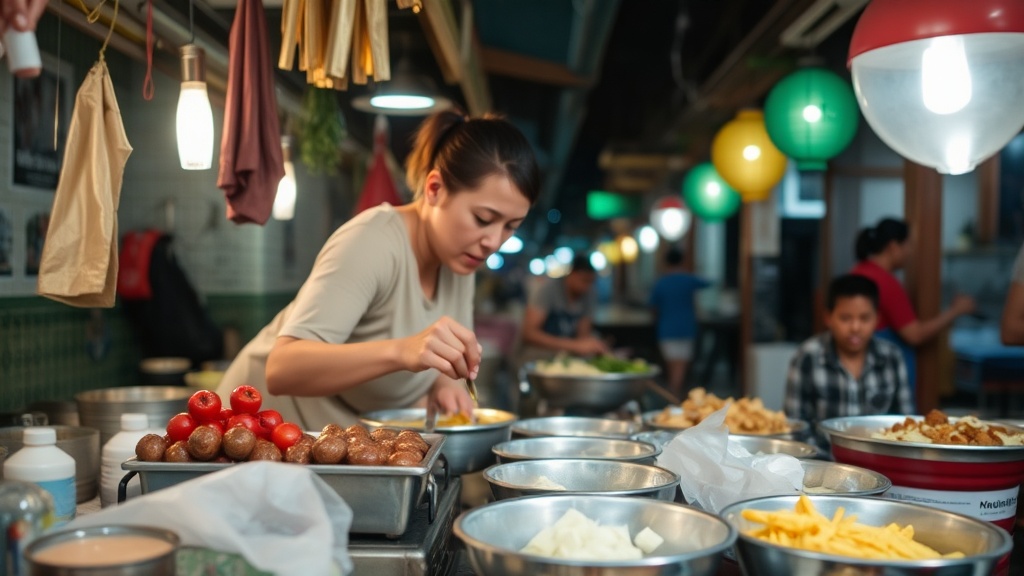
Pay attention to the turnover of the ingredients. A good rule of thumb is to watch the chef. Are they prepping fresh vegetables right in front of you? Is the meat sizzling on a high flame? You want to see heat. High heat kills bacteria and ensures the texture of the food stays right. If you see a vendor using a single, battered spatula for everything without any signs of cleaning or fresh prep, keep moving.
One thing people often miss is the turnover of the seating. In many parts of Southeast Asia, street food culture is communal. You might be sitting on a tiny plastic stool right next to a stranger. Look for places where the tables are wiped down frequently. You don't need a five-star hygiene rating, but a quick wipe of a surface with a damp cloth shows the vendor cares about the turnover and the customer experience.
Is it safe to eat street food in Southeast Asia?
The short answer is yes, provided you use your senses. Most travelers worry about "stomach issues," but most of those problems come from ice or untreated water rather than the food itself. If you stick to hot, cooked-to-order meals, you're largely safe. Avoid raw salads or juices if you aren't certain about the water quality in that specific neighborhood.
A great way to gauge safety is to look at the "flow." If a vendor is making massive batches of food that look like they've been sitting out for hours (think lukewarm noodles in a cold vat), skip it. You want the action. You want to see the steam. A high-heat wok or a boiling pot of broth is your best friend. If you can see the food being cooked right in front of your eyes, you're seeing the process that makes it safe.
For more detailed health-related standards and global food safety observations, you can check out the World Health Organization resources on food-borne illnesses to understand the general risks in developing regions. It helps to understand the context of why certain practices exist.
Where can I find the best food in a busy city?
The best food rarely stays in the center of the tourist districts. If you're in a city like Bangkok, the most incredible flavors are often found in the side alleys (sois) or near transit hubs where workers congregate. You'll find that the food becomes more affordable and more authentic the further you move from the main landmarks. This is where the real culture lives.
Look for "food streets" or night markets. These are organized clusters of vendors that create a massive, outdoor dining room. These areas are highly regulated by local governments and offer a concentrated dose of variety. Instead of searching for one perfect restaurant, go to a night market and sample several different small bites. This allows you to experience the breadth of the local cuisine without committing to one heavy meal.
Common signs of a high-quality vendor
- High turnover: A fast-moving line of locals.
- Fresh prep: Ingredients being chopped and prepared on-site.
- High heat: Use of flames and boiling liquids to cook.
- Limited menu: Vendors who do only one or two things exceptionally well.
A limited menu is actually a sign of quality. A vendor who only makes one type of noodle or one type of grilled meat has spent years perfecting that specific dish. They aren't trying to be everything to everyone; they are trying to be the best at one thing. This specialization is the backbone of Southeast Asian street food culture.
Don't be intimidated by the lack of English menus. Most vendors will be perfectly happy to serve you if you point to what someone else is eating. This is a universal language of dining. If you see a dish that looks delicious, point, smile, and wait. The experience of eating on a street corner is just as much a part of the travel as the destination itself.
For a deeper dive into the history of food and its impact on society, the National Geographic archives often feature incredible stories about how culinary traditions shape nations. It's a great way to build context before you land.
Lastly, remember that your intuition is your best tool. If something feels off—the smell is too heavy, the vendor looks unprepared, or the area feels neglected—trust that feeling. There are millions of other stalls. There is no need to force yourself to eat somewhere that makes you uncomfortable just to say you did it. The goal is to enjoy the culture, not to test your luck.