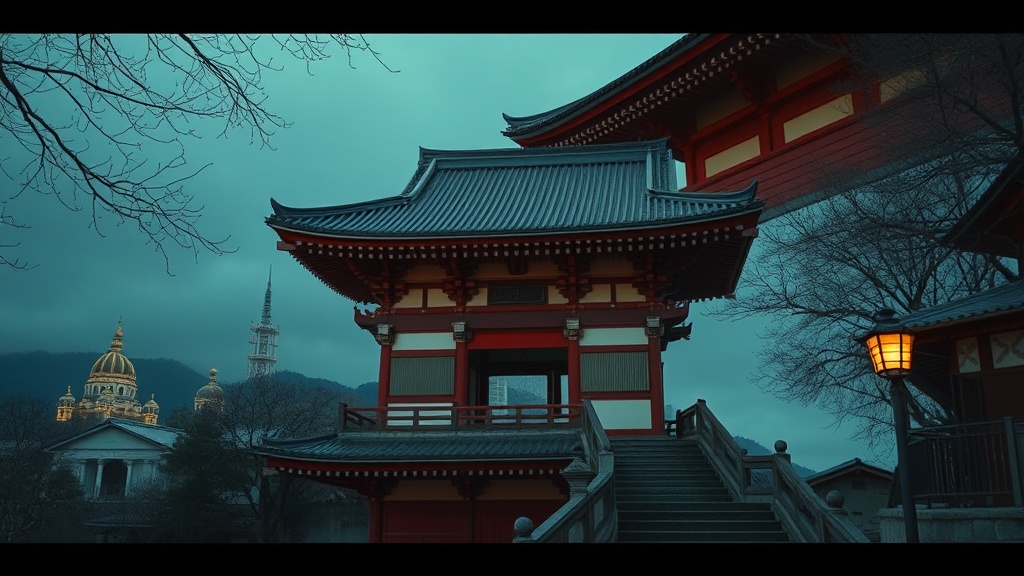
Beyond the Temples: Finding the Real Soul of Kyoto

What to Expect When Visiting Kyoto's Inner Neighborhoods
This post explores the side of Kyoto that exists outside the heavy crowds of Arashiyama and Gion. You'll learn how to identify authentic local-centric districts, where to find genuine craftsmanship, and how to engage with the city's seasonal traditions without feeling like a spectator. Understanding the distinction between the tourist-heavy transit hubs and the quiet residential pockets is what separates a superficial trip from a meaningful one.
Most visitors spend their entire time in Kyoto chasing the perfect photo of a bamboo grove or a golden pavilion. While those sites are undeniably striking, they don't tell the whole story of the city. The real character of Kyoto lives in the small-scale interactions found in neighborhoods like Nishijin or the quiet lanes near the Kamo River. These areas offer a window into a lifestyle that values slow, deliberate movement and long-standing traditions—even if those traditions are as simple as the way a shopkeeper sweeps their doorstep each morning.
If you wander through the northern parts of the city, you'll notice a shift in rhythm. The pace slows down. The architecture changes from the grand-scale temples to the narrow, wooden machiya houses that define the traditional cityscape. This isn't just a backdrop for photos; it's a living, breathing way of life that relies on seasonal changes to dictate everything from the menus in small eateries to the decor in local boutiques. To truly see this, you have to be willing to get a bit lost.
Where Can You Find Traditional Crafts in Kyoto?
While many shops in the center of the city sell mass-produced souvenirs, the true heart of Kyoto's craft scene is found in its smaller workshop districts. If you want to see how things are actually made, you need to look toward the textile districts. The weaving techniques used in high-end kimono production aren't just relics of the past; they are still being practiced by artisans who treat their work with extreme precision.
One way to experience this is by visiting smaller, specialized shops that specialize in ceramics or lacquerware. Instead of looking for a big brand, look for the small signs that indicate a workshop. Many of these artisans are happy to show you their process if you approach with genuine interest. It's not about a quick transaction; it's about the history behind the object. For example, the pottery styles found in the Kiyomizu-dera area are distinct and have evolved over centuries. You can find much more technical details about these traditions through resources like the Japan National Tourism Organization, which often highlights specific regional crafts.
A great way to spend an afternoon is to avoid the main thoroughfares and head into the side streets of Higashiyama. While this area can be crowded, the deeper you go, the more you find specialized shops that don't cater to the average tourist. You might find a shop that only sells a specific type of incense or a tea house that has been run by the same family for four generations. These are the places where the culture feels most tangible.
When is the Best Time to Visit for Local Festivals?
The seasons in Kyoto aren't just about the weather; they dictate the entire cultural calendar. If you arrive during the peak of cherry blossom season or the height of autumn colors, you'll see the city at its most beautiful, but you'll also face the most intense crowds. If your goal is to experience the festivals that actually matter to the locals, you have to time your visit around the specific Shinto and Buddhist calendars.
The Gion Matsuri in July is perhaps the most famous, but it's a massive undertaking that transforms the city. If you want something more intimate, look for smaller seasonal festivals held at neighborhood shrines. These are often much more relaxed and offer a glimpse into how local communities bond. For instance, many neighborhoods have their own unique way of celebrating the change of seasons, which might involve specific food preparations or small-scale street processions.
To keep track of these dates, it's helpful to check local event calendars well in advance. The timing of these events is often tied to the lunar cycle or specific seasonal shifts, so they aren't always as predictable as a standard holiday. A well-timed visit to a neighborhood shrine during a local celebration can offer a level of connection that a standard sightseeing tour never could. It's about being present during a moment that belongs to the community, rather than just observing a performance.
How Do You Eat Like a Local in Kyoto?
Eating in Kyoto isn't just about sustenance; it's an expression of the city's relationship with nature. The concept of kaiseki—a traditional multi-course meal—is the pinnacle of this, but you don't have to spend a fortune to experience high-quality food. Much of the best eating happens in small, unassuming spots that don't even have English menus. This is where the real skill of the city's chefs shines through.
- Look for the 'Noren': The fabric divider in a doorway is often a sign of a long-standing establishment.
- Seasonal Menus: If a restaurant changes its menu frequently based on what's in season, that's a very good sign.
- The Side-Street Rule: The best food is rarely found on the main street where the big signs are.
One of the best ways to experience the local food culture is to visit a local supermarket or a small department store's basement (often called a depachika). This is where you'll see the incredible variety of seasonal fruits, vegetables, and prepared foods that locals actually buy. It's a great way to see the high standards for food presentation and quality that the city is known for. You can often pick up high-quality bento boxes or seasonal treats that are much more affordable than a formal restaurant meal.
For those interested in the deeper history of Japanese cuisine, the UNESCO archives often discuss the cultural significance of food traditions globally, and Japan's culinary heritage is a major part of that. Whether you're grabbing a quick bowl of udon at a neighborhood stall or sitting down for a slow meal, the focus is always on the quality of the ingredients and the season they represent.
Finding Quiet Moments in a Busy City
It's easy to feel overwhelmed by the sheer number of things to see in Kyoto. The trick is to embrace the empty spaces. There is a certain beauty in the quiet streets of northern Kyoto or the residential areas near the Kamo River. These spaces allow you to breathe and actually process what you've seen. Instead of trying to see every single temple, pick one or two and spend a long time there. Sit on a bench, watch the light change, and just observe.
The way the light hits a wooden veranda in the late afternoon or how the shadows stretch across a gravel garden is a part of the experience. If you're always moving, you're always missing the subtle details that make Kyoto special. The goal isn't to check boxes on a list; it's to feel the atmosphere of the city. When you slow down, the city starts to reveal its secrets to you.